
Introduction
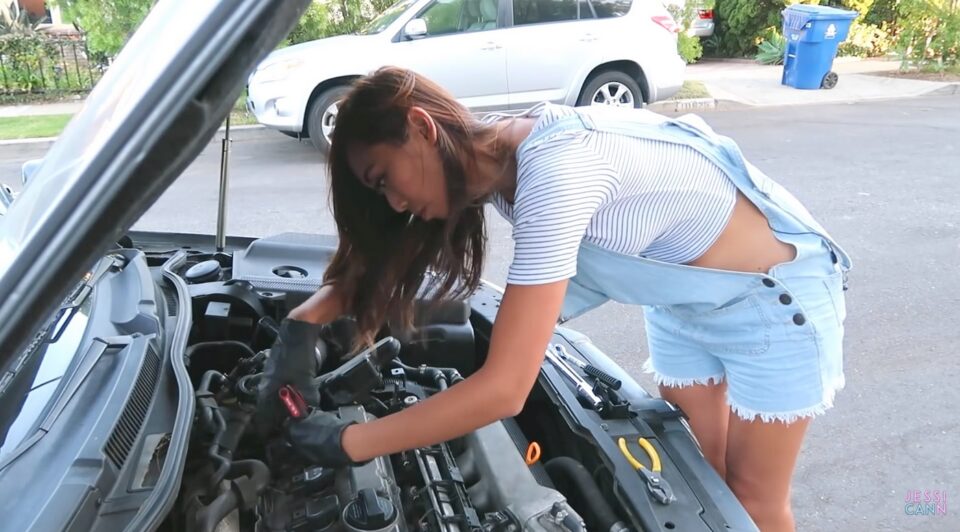
A car is more than a mode of transportation—it is an intricate extension of autonomy and aspiration. With every mile, vehicles silently accumulate the marks of life’s journeys: the triumphs of travel and the toll of time. Car repair, thus, emerges as both a science and an art—a process where patience, precision, and understanding rekindle reliability and pride. This article offers a refined perspective on car repair, blending technical acumen with pragmatic wisdom for those who seek not only to restore, but to appreciate the deeper narrative behind every repair.
The Philosophy of Car Repair
Beyond Fixing—Restoration as Ritual
Car repair transcends mechanical intervention; it embodies respect for longevity and craftsmanship. A proper repair does not merely substitute a faulty part or silence an unwelcome noise—it restores confidence, preserves value, and ensures harmony between driver and machine.
Prevention: The Quiet Guardian
The most elegant repairs are those never needed. Preventative maintenance—regular check-ups, fluid changes, and attentive monitoring—forms the linchpin of affordable and hassle-free motoring. By embracing scheduled care, owners not only minimize disruption but embrace a proactive stance towards the life of their vehicle.
The Anatomy of Repair: Understanding Common Issues
Diagnosing with Discernment
Modern cars, brimming with sensors and complex systems, require diagnostic diligence. Symptoms such as illuminated warning lights, unfamiliar sounds, or changes in handling should never be dismissed as mere quirks.
-
Check Engine Light: Often misunderstood, this ubiquitous indicator can point to faults ranging from loose gas caps to catalytic converter issues. Immediate attention is critical to mitigate escalation.
-
Brake Concerns: Squealing, grinding, or a spongy pedal may signal worn pads, air in lines, or hydraulic failures, all demanding timely assessment.
-
Engine Performance Dips: Symptoms like rough idling, stalling, or hesitation may arise from fouled plugs, air filter clogging, or injector woes.
-
Suspension Issues: Unusual vibrations, persistent pulling, or excessive bouncing after bumps highlight underlying suspension wear or imbalance.
-
Electrical Glitches: Non-functional lights, erratic windows, or central locking failures often trace back to fuses, relay faults, or wiring fatigue.
The Value of Professional Inspections
Even the most seasoned enthusiast benefits from professional scrutiny. Trained technicians wield specialized diagnostic tools and an encyclopedic understanding of model-specific issues. Their expertise ensures repairs are targeted, thorough, and safe.
The Essential Toolkit: Preparing for Success
Tools for the Thoughtful Owner
Investing in quality tools not only simplifies minor repairs but deepens the relationship with one’s car:
-
Socket and wrench sets
-
Screwdrivers in varying sizes
-
Jack and stands for safe lifting
-
Multimeter for electrical diagnostics
-
Torque wrench for precision tightening
-
OBD-II scanner for reading engine codes
A well-organized toolkit empowers owners to execute basic maintenance tasks confidently, from oil changes to battery swaps.
Choosing the Right Parts
Quality is paramount—opt for original equipment manufacturer (OEM) parts or reputable aftermarket suppliers with strong warranties. Inferior components may offer momentary savings yet often compromise performance and longevity.
The Car Repair Process: Step by Step
Assessment and Strategy
-
Listen and Observe: Be attentive to all changes—unusual noises, sensations, and even smells provide essential diagnostic clues.
-
Research: Consult the vehicle’s manual and trusted repair forums for model-specific advice and procedural clarity.
-
Plan: Only attempt repairs within your skill set. For major systems—brakes, fuel delivery, or airbag modules—seek expert assistance.
Execution with Precision
-
Preparation: Gather all necessary tools and parts. Ensure safety equipment is on hand—gloves, goggles, and fire extinguishers offer crucial protection.
-
Disassembly: Work methodically, documenting each step if necessary. Retain all hardware, and store removed components in order.
-
Repair and Replacement: Clean mating surfaces, lubricate as needed, and ensure replacements match original specifications.
-
Reassembly: Follow torque settings and tighten in prescribed sequences to avoid warping or leaks.
-
Testing: Conduct a cautious, thorough test of the repaired system before returning to routine driving.
Documentation and Reflection
Maintaining a meticulous service log—invoices, parts replaced, dates—enhances resale value and organizes future maintenance. Reflection on each project fosters deeper understanding and confidence.
The Human Element: When to Seek a Professional
Recognizing Your Limits
While resourcefulness is commendable, wisdom lies in recognizing complexity. Leave repairs involving advanced electronics, high-tension systems (like airbag modules or hybrid battery packs), and structural bodywork to certified professionals.
Building a Relationship with a Trusted Workshop
A relationship with a reputable mechanic is invaluable. They offer not just technical expertise, but advice on maintenance schedules, part sourcing, and even the wisdom to discern repair from replacement.
Advancements in Car Repair: Technology and Trends
The Digital Revolution
-
Diagnostic Software: From dealer-level scan tools to consumer-grade apps, digital diagnostics streamline troubleshooting and analysis.
-
Telematics: Many modern vehicles transmit maintenance needs and error codes directly to owners or service centers, preempting major issues.
-
Online Communities: Forums and video tutorials provide global expertise, though discernment is needed to filter quality advice from conjecture.
Sustainability and Responsible Repair
Environmental consciousness is reshaping car repair:
-
Remanufactured and recycled parts lower the ecological footprint.
-
Fluids and batteries are increasingly managed under strict recycling protocols.
-
Repairs that extend vehicle lifespan align with broader sustainability goals.
Conclusion
Car repair—when approached with patience, intellect, and respect—transcends the notion of mere troubleshooting. It weaves together the precision of engineering, the satisfaction of problem-solving, and the serenity of restored confidence. Whether repairing in a well-lit garage or seeking the aid of a master mechanic, each act of restoration is an affirmation: respecting the journey, the machine, and the enduring spirit of the road.
