
Introduction
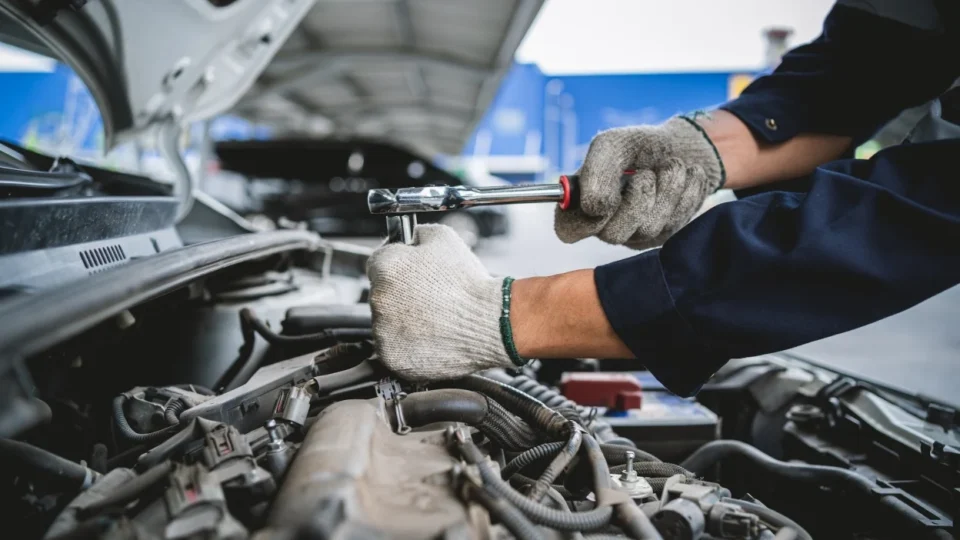
Car repair is a discipline where practicality intertwines with precision, and where knowledge transforms frustration into empowerment. In today’s rapidly evolving automotive world, maintaining a vehicle is not merely an obligation—it is an investment in longevity, safety, and peace of mind. This article delves into car repair with an expert’s eye, guiding readers through the process with refined insight, actionable advice, and a celebration of craftsmanship that elevates each repair from routine to remarkable.
The Philosophy of Car Repair: Beyond the Wrench
Repair as Preservation
For the discerning motorist, every repair is a gesture of respect—for the machine and for those it serves. Addressing mechanical maladies promptly not only wards off greater expense but also sustains the harmony between driver, vehicle, and road.
-
Value retention: Well-maintained cars consistently outperform their neglected peers in terms of resale and reliability.
-
Safety assurance: Timely repair is the silent guardian of a family’s well-being.
-
Personal pride: A flawless ride is a reflection of meticulous stewardship.
Common Car Repair Needs: An Owner’s Primer
Frequently Encountered Issues
Being attuned to your vehicle’s most vulnerable elements primes you for proactive care and informed decisions.
-
Brakes: Squealing, grinding, or reduced responsiveness signal overdue maintenance.
-
Engine warning lights: Ignoring indicator lights can magnify simple sensor or emissions issues into costly engine repairs.
-
Tire wear and punctures: Uneven tread hints at alignment problems, while flats demand swift attention for uninterrupted safety.
-
Battery and electrical: Dim lights or slow starts often precede battery or alternator failure.
-
Suspension and steering: Worn shocks, struts, or tie rods manifest as an unsettled ride or poor handling.
Diagnosis and Decision: When to DIY and When to Trust a Professional
Self-Assessment: Skills and Limits
Modern vehicles blend mechanical complexity and computerized sophistication, making some repairs accessible, while others should be left to the experts.
-
DIY-friendly tasks: Oil changes, bulb and wiper replacements, basic battery swaps, tire checks, and minor filter changes.
-
Professional territory: Brake overhauls, electrical diagnostics, timing belt replacements, air conditioning service, and anything involving airbag systems.
The Value of Professional Inspection
Routine checkups by credentialed technicians not only catch issues before they escalate but also provide documentation that protects warranties and resale value.
-
Specialized tools: Contemporary repair often requires manufacturer-specific scanners and calibration equipment.
-
Experience: Seasoned mechanics swiftly distinguish between a fleeting noise and a lurking threat.
The Repair Experience: Step-by-Step with Finesse
Preparation and Communication
Approach every service appointment with clarity and purpose:
-
Describe symptoms: Articulate noises, smells, or driving behaviors with specificity.
-
Keep records: Bring past service invoices and maintenance logs for context.
-
Request estimates: Insist on clear, itemized cost breakdowns before consenting to work.
During and After Repair
-
Quality assurance: Reputable workshops invite inspections before payment and provide warranties on parts and labor.
-
Transparency: Expect clear explanations of what was fixed, why it mattered, and what requires future attention.
-
Test drive: After any substantial intervention—brake, steering, or suspension repairs—always request or perform a test drive to confirm results.
Tools and Techniques: The Backbone of Craft
Essential Tools for Owners
Equipping your garage with foundational tools supports self-reliance and rapid response:
-
Socket and wrench sets
-
Screwdrivers and pliers
-
Tire pressure gauge and inflator
-
Multimeter for simple electrical diagnostics
-
Jack, wheel chocks, and sturdy stands
Emerging Technologies
Modern car repair is shaped by:
-
Diagnostic scanners: Access error codes and system data, demystifying complex “check engine” signals.
-
Digital service platforms: Video inspections, online repair tracking, and instant communication enhance trust and transparency.
Preventive Maintenance: The First Line of Defense
Scheduled Intervals
Heeding the manufacturer’s service intervals prevents many breakdowns before they occur:
| Maintenance Task | Typical Interval | Why It Matters |
|---|---|---|
| Oil and filter change | Every 5,000–10,000 km | Preserves engine life |
| Tire rotation/alignment | Every 8,000–12,000 km | Extends tire lifespan |
| Brake inspection | Every 10,000–20,000 km | Ensures safe stopping |
| Battery check | Every service visit | Prevents no-start scenarios |
| Fluid level top-off | Every oil change | Guards against overheating |
The Role of Observation
Never discount the value of your own senses:
-
Listen for unusual sounds—rattles, squeaks, or grinding.
-
Watch for warning lights, leaking fluids, and smoke.
-
Smell for burnt odors, which may signal overheating or electrical issues.
-
Feel for vibrations, steering pull, or delayed response.
The Future of Car Repair: Embracing Change
Hybrid and Electric Vehicle Repairs
As alternative propulsion systems flourish, car repair increasingly involves high-voltage training and specialized certifications. Seek service centers that:
-
Advertise EV or hybrid expertise
-
Display appropriate accreditation
-
Maintain up-to-date diagnostic equipment and safety practices
Sustainability in Practice
Contemporary repair shops are adopting practices that align with environmental stewardship:
-
Recycling fluids, metals, and batteries
-
Using remanufactured or green-certified parts
-
Minimizing solvent and hazardous waste use
Conclusion
Car repair, when approached with discernment, respect, and an appetite for continuous learning, is more than a necessary inconvenience—it is a craft, a discipline, and a quiet act of preservation. For the thoughtful car owner, each repair is a celebration of reliability, pride, and progress—a testament to the enduring partnership between human ingenuity and mechanical mastery. With every well-executed fix, the humble chore of repair becomes an expression of confidence on the road ahead.
