
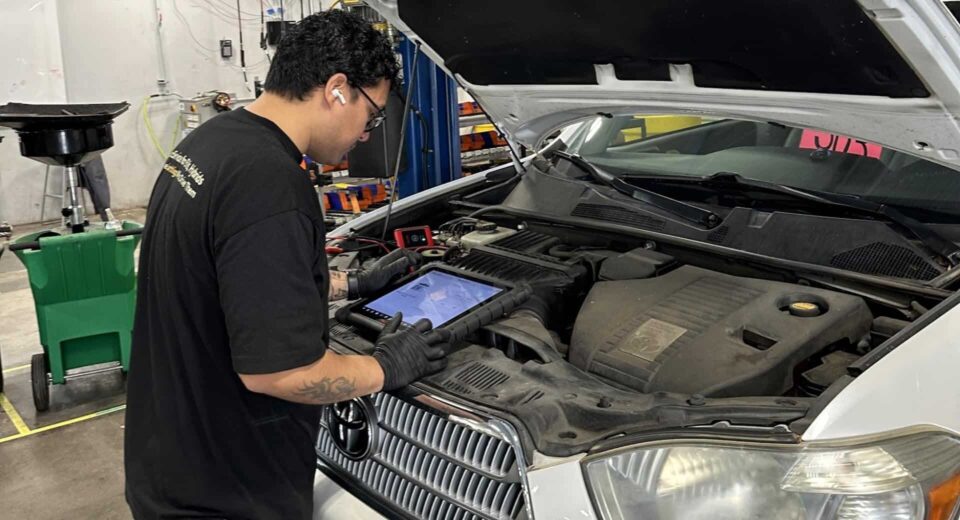
Modern vehicles are complex machines packed with sensors, software, and electronic control units. While this technology improves performance and safety, it also means that small issues can quietly develop into expensive failures if left unchecked. Regular vehicle diagnostics act as an early warning system, helping drivers detect problems before they escalate into major repairs.
What Are Vehicle Diagnostics?
Vehicle diagnostics involve using specialized tools to communicate with a car’s onboard computer system. These tools read error codes, monitor sensor data, and identify irregularities across key systems.
Core systems checked during diagnostics include:
- Engine and transmission
- Emissions and exhaust system
- Braking and ABS
- Electrical and battery health
- Fuel and ignition systems
By interpreting this data, technicians can pinpoint problems that may not yet show visible symptoms.
Why Small Problems Become Big Expenses
Ignoring minor warning signs often leads to chain reactions within the vehicle. A single malfunctioning sensor, for example, can cause poor fuel combustion, overheating, or premature wear on engine components.
Common examples of costly escalation include:
- A faulty oxygen sensor damaging the catalytic converter
- Low transmission fluid leading to gearbox failure
- Weak battery stressing the alternator and starter
Regular diagnostics catch these issues early, when repairs are still affordable.
How Diagnostics Save Money Over Time
While diagnostics may seem like an extra expense, they often prevent far higher costs down the road. Identifying faults early reduces labor time, parts replacement, and the risk of breakdowns.
Financial benefits of routine diagnostics:
- Fewer emergency repairs
- Reduced risk of major component failure
- Better fuel efficiency and lower running costs
- Extended lifespan of critical systems
Over time, this proactive approach translates into substantial savings.
Improved Safety and Reliability
Vehicle diagnostics are not just about cost—they are also about safety. Systems like airbags, traction control, and brakes rely on electronic monitoring to function correctly.
Regular diagnostics help ensure:
- Warning lights reflect real issues, not hidden faults
- Safety systems respond correctly in emergencies
- The vehicle remains reliable for daily and long-distance driving
A well-diagnosed car is far less likely to fail unexpectedly on the road.
Better Performance and Fuel Efficiency
When sensors and control modules operate correctly, the vehicle runs as designed. Diagnostics help maintain optimal engine timing, fuel mixture, and emissions control.
Performance advantages include:
- Smoother acceleration and idling
- Improved fuel economy
- Reduced emissions and environmental impact
Even small efficiency gains can add up significantly over months of driving.
When Should You Get Vehicle Diagnostics?
Diagnostics are not only for when a warning light appears. Proactive checks are far more effective.
Recommended times for diagnostics:
- During routine servicing or oil changes
- Before long road trips
- When purchasing a used vehicle
- If fuel efficiency suddenly drops
- After unusual noises, vibrations, or smells
Consistency is key—regular checks prevent surprises.
Diagnostics and Modern Vehicle Technology
As vehicles become more advanced, manual inspections alone are no longer sufficient. Hybrid, electric, and software-driven vehicles rely heavily on digital monitoring.
Diagnostics are essential for:
- Interpreting software-related faults
- Updating control modules
- Ensuring compatibility between electronic components
Skipping diagnostics in modern vehicles often means missing the real cause of a problem.
Long-Term Value and Resale Benefits
A vehicle with a documented history of regular diagnostics and maintenance holds greater value in the resale market. Buyers gain confidence knowing issues were addressed early and professionally.
Long-term advantages include:
- Higher resale or trade-in value
- Fewer unexpected ownership costs
- Greater confidence in vehicle reliability
Preventive care always pays off in the long run.
Frequently Asked Questions (FAQ)
1. How often should vehicle diagnostics be performed?
For most vehicles, diagnostics once or twice a year is sufficient, though high-mileage or older cars may benefit from more frequent checks.
2. Are diagnostics necessary if there is no warning light?
Yes. Many issues develop without triggering a warning light, especially in early stages.
3. Can diagnostics detect future problems?
Diagnostics cannot predict failures with certainty, but they can identify abnormal data trends that signal potential issues.
4. Do diagnostics replace regular maintenance?
No. Diagnostics complement routine maintenance by identifying hidden or electronic issues that inspections may miss.
5. Are vehicle diagnostics expensive?
Compared to major repairs, diagnostics are relatively inexpensive and often save money by preventing larger failures.
6. Can I perform diagnostics myself?
Basic code readers can identify simple faults, but professional diagnostics provide deeper analysis and accurate interpretation.
7. Do electric and hybrid vehicles need diagnostics more often?
Yes. These vehicles rely heavily on software and electronic systems, making regular diagnostics even more important.
