
Unexpected vehicle breakdowns rarely happen without warning. In most cases, they are the result of neglected auto parts maintenance that slowly leads to wear, inefficiency, and eventual failure. Staying proactive with routine inspections and timely replacements not only improves safety but also extends your vehicle’s lifespan and reduces long-term repair costs.
This guide outlines practical, experience-backed maintenance tips that help drivers prevent sudden vehicle failures and keep their cars running reliably.
Why Regular Auto Parts Maintenance Matters
Vehicles are complex systems where multiple components work together under constant stress. When one part fails, it often triggers a chain reaction affecting others. Proper maintenance helps you:
- Detect problems early before they escalate
- Maintain optimal fuel efficiency and performance
- Reduce the risk of roadside breakdowns
- Preserve vehicle resale value
- Enhance overall driving safety
Ignoring small warning signs can turn a minor fix into a costly repair.
Engine Components: The Heart of Your Vehicle
The engine operates under high temperatures and pressure, making regular care essential.
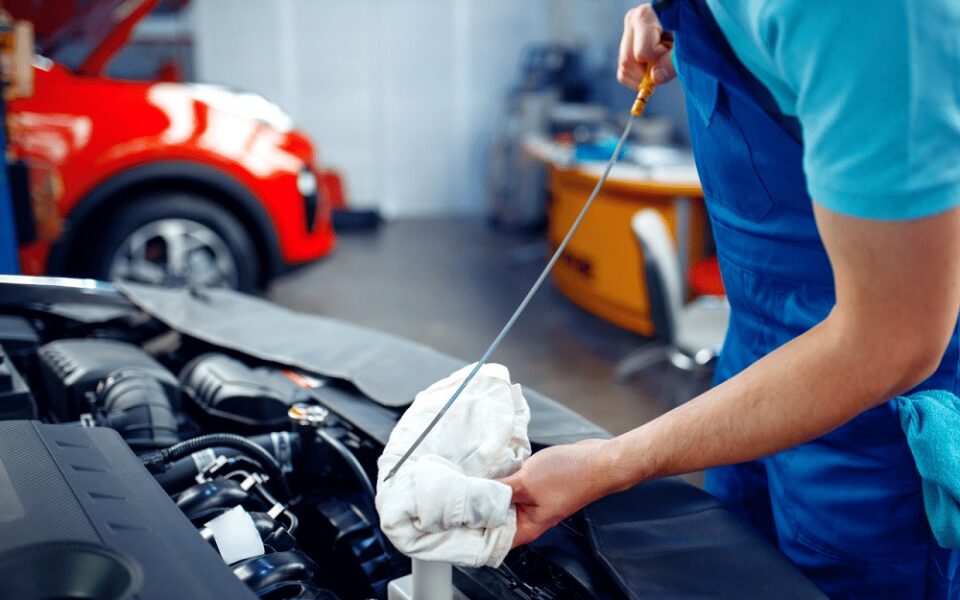
Engine Oil and Filters
Engine oil lubricates moving parts and prevents excessive friction.
Best practices include:
- Change engine oil at manufacturer-recommended intervals
- Replace oil filters with every oil change
- Monitor oil color and level regularly
Dirty or low oil can cause overheating, internal damage, and engine seizure.
Belts and Hoses
Rubber components degrade over time due to heat and exposure.
- Inspect belts for cracks, glazing, or looseness
- Check hoses for leaks, swelling, or brittleness
- Replace aging components before they fail
A snapped belt or burst hose can instantly immobilize your vehicle.
Brake System Maintenance: Safety First
Brakes are among the most critical safety components and demand close attention.
Brake Pads and Rotors
Worn brakes reduce stopping power and increase accident risk.
Maintenance tips:
- Listen for squealing or grinding noises
- Inspect brake pads during tire rotations
- Replace pads before they wear down completely
Delaying brake service can damage rotors and increase repair costs significantly.
Brake Fluid
Brake fluid absorbs moisture over time, reducing effectiveness.
- Check fluid levels regularly
- Flush and replace fluid as recommended
- Watch for a soft or spongy brake pedal
Fresh brake fluid ensures consistent braking response.
Battery and Electrical System Care
Electrical failures often strike without warning, especially in extreme weather.
Battery Health
Car batteries naturally lose capacity over time.
- Clean corrosion from battery terminals
- Secure loose battery connections
- Test battery strength annually
A weak battery can leave you stranded even if everything else works perfectly.
Alternator and Wiring
The alternator keeps the battery charged while driving.
- Watch for dim headlights or dashboard warnings
- Address electrical issues promptly
- Avoid ignoring flickering interior or exterior lights
Electrical problems often worsen quickly when left unresolved.
Suspension and Steering Components
Suspension parts absorb shocks and maintain vehicle stability.
Shocks, Struts, and Bushings
Worn suspension components affect handling and tire wear.
Common warning signs include:
- Excessive bouncing after bumps
- Uneven tire wear
- Steering instability or drifting
Replacing worn suspension parts restores ride comfort and control.
Steering System Checks
Power steering systems rely on fluid and mechanical integrity.
- Check power steering fluid levels
- Listen for whining noises while turning
- Address stiffness or delayed steering response
Steering issues compromise both comfort and safety.
Tires and Alignment: Often Overlooked Essentials
Tires are the only contact point between your vehicle and the road.
Tire Condition and Pressure
Improper tire maintenance increases failure risk.
- Maintain correct tire pressure
- Inspect tread depth and sidewalls
- Rotate tires regularly
Underinflated or worn tires can lead to blowouts and poor handling.
Wheel Alignment and Balance
Misalignment causes uneven wear and steering problems.
- Schedule alignment checks annually
- Align wheels after suspension repairs
- Correct vibration issues promptly
Proper alignment improves fuel efficiency and driving stability.
Cooling System Maintenance
Overheating is one of the fastest ways to destroy an engine.
Radiator and Coolant
The cooling system regulates engine temperature.
- Check coolant levels periodically
- Flush coolant according to schedule
- Inspect radiator and cap for leaks
A neglected cooling system can result in warped engine components.
Exhaust and Emissions System
The exhaust system affects engine performance and emissions.
- Listen for unusual exhaust noises
- Inspect for rust or leaks
- Address check engine lights promptly
Exhaust issues can reduce fuel efficiency and cause engine performance problems.
Preventive Maintenance Habits That Make a Difference
Consistent habits help prevent surprise failures.
Adopt these practices:
- Follow the vehicle’s service schedule
- Keep maintenance records
- Address warning lights immediately
- Perform visual inspections monthly
Preventive care always costs less than emergency repairs.
FAQs
How often should I inspect my vehicle for maintenance issues?
A basic visual inspection once a month and a professional inspection every 6–12 months is recommended.
What auto parts are most likely to fail unexpectedly?
Batteries, belts, hoses, and brake components are among the most common unexpected failure points.
Can skipping oil changes really damage the engine?
Yes, dirty oil accelerates wear, increases heat, and can lead to severe engine damage over time.
How do I know when my brakes need replacement?
Warning signs include squealing noises, vibration while braking, reduced stopping power, and dashboard alerts.
Is preventive maintenance worth the cost?
Preventive maintenance is significantly cheaper than major repairs caused by neglected components.
Do seasonal changes affect auto parts longevity?
Extreme heat and cold accelerate wear on batteries, tires, fluids, and rubber components.
Should I rely only on dashboard warning lights?
No, many issues develop before warning lights appear, making regular inspections essential.
