
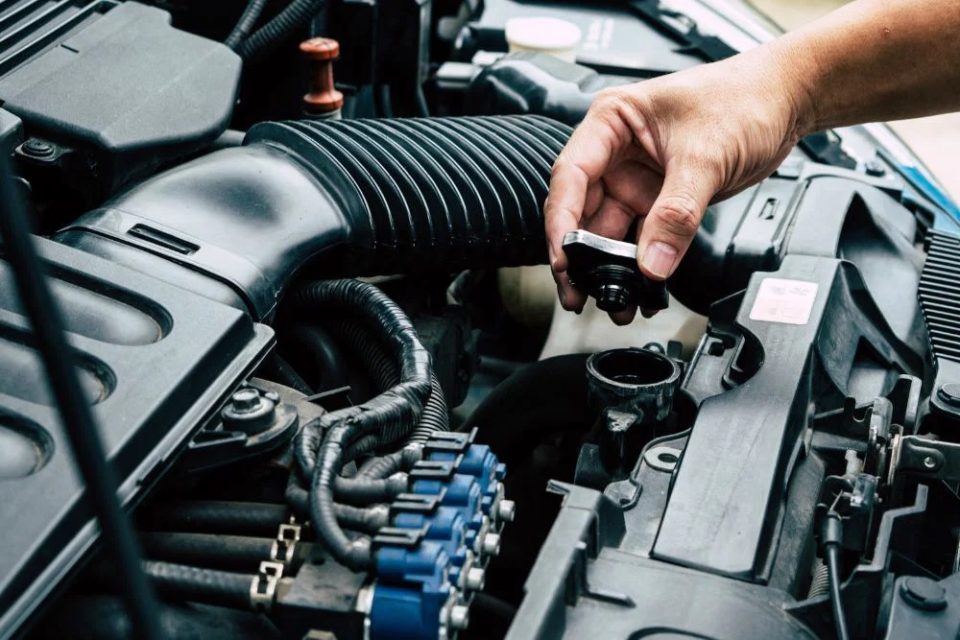
An internal combustion engine is a masterpiece of controlled violence. Every minute you spend driving down the highway, thousands of microscopic explosions are occurring inside the engine cylinders, generating enough kinetic energy to propel a two-ton chassis forward. However, this process also generates a staggering amount of thermal energy. Without a highly efficient, perfectly calibrated cooling system to constantly draw that heat away, an engine would quite literally melt its own internal components within minutes, seizing into a solid block of useless metal.
Despite its critical importance, the automotive cooling system is frequently neglected until a dashboard temperature gauge spikes into the red zone or a cloud of sweet-smelling steam violently erupts from beneath the hood. When a cooling failure occurs, diagnosing the root cause accurately and executing the correct repair is the only way to save the engine from catastrophic damage. Understanding the mechanics behind these common failures allows vehicle owners and technicians to bypass temporary band-aids and implement permanent, effective solutions.
Diagnosing and Addressing Coolant Leaks
The automotive cooling system operates under extreme pressure. As the liquid coolant absorbs engine heat, it expands, pressurizing the entire network of hoses, gaskets, and plastic reservoirs. This constant expansion and contraction inevitably exposes any weak points in the system, making coolant leaks the most frequent cause of overheating.
Pinpointing the Elusive Source
Coolant leaks rarely happen in convenient, highly visible locations. While a puddle of brightly colored fluid under the front bumper is a clear indicator, finding the exact origin point requires a forensic approach. Technicians rely on a cooling system pressure tester, a specialized hand pump that attaches to the radiator cap. By artificially pressurizing a cold engine, the technician can safely force coolant out of the compromised seal without risking severe burns from hot, pressurized steam.
The Right Way to Repair Leaks
When a leak is identified in a rubber radiator hose or heater core line, the only acceptable solution is a complete replacement of the rubber component and its corresponding metal clamps. Over time, rubber hoses suffer from electrochemical degradation, rotting from the inside out. Squeezing a hose that feels crunchy or excessively spongy indicates internal failure.
It is absolutely crucial to avoid liquid stop-leak additives. While these chemical fix-a-leak bottles are heavily marketed as cheap miracles, they operate by congealing when exposed to air. Unfortunately, they also congeal inside the narrow thermal passages of the engine block and the delicate fins of the interior heater core. Pouring stop-leak into a radiator will temporarily plug a minor hose leak, but it will permanently ruin the heater core, transforming a forty-dollar hose repair into a two-thousand-dollar dashboard teardown.
The Silent Engine Killer: Water Pump Failure
If coolant is the lifeblood of the engine, the water pump is its heart. Driven by the engine’s serpentine belt or internal timing belt, the water pump features an impeller that aggressively circulates coolant through the engine block, up into the cylinder head, and out to the radiator.
Water pumps fail in two primary ways: the internal bearing collapses, or the mechanical seal degrades. A failing bearing will typically announce itself with a low, rhythmic grinding or whining noise emanating from the front of the engine, accompanied by a slight wobble in the water pump pulley. A failing seal, on the other hand, will allow coolant to escape through a specific weep hole engineered into the bottom of the pump housing. This hole acts as an early warning system; if you see dried, crusty coolant trailing down from the weep hole, the internal seal has ruptured and the pump is living on borrowed time.
The solution is a complete replacement of the water pump assembly. However, strategic repair planning is essential here. On many vehicles, the water pump is driven by the engine’s timing belt and is buried deep behind several engine covers. Because the labor required to access the water pump is so extensive, it is an industry best practice to replace the timing belt, tensioners, and water pump simultaneously. Doing the job once saves the vehicle owner hundreds of dollars in redundant labor charges.
Thermostat Malfunctions: When Flow Gets Blocked
The thermostat is a simple, analog gatekeeper that controls the flow of coolant between the engine block and the radiator. When you first start a cold engine, the thermostat remains tightly closed, trapping the coolant inside the engine block so the vehicle can reach its optimal operating temperature as quickly as possible. Once that target temperature is reached, a thermal wax pellet inside the thermostat melts and expands, pushing the mechanical valve open and allowing hot coolant to rush into the radiator for cooling.
When a thermostat fails, it usually does so in one of two positions. A thermostat stuck open will cause the engine to run perpetually cold. While this will not destroy the engine, it prevents the vehicle’s computer from entering its efficient closed-loop fuel mapping, resulting in terrible gas mileage and a completely non-functional interior heater.
A thermostat stuck closed is an immediate automotive emergency. Because the coolant is physically blocked from reaching the radiator, the engine temperature will spike violently, leading to a warped cylinder head in a matter of minutes. The solution is straightforward: replace the thermostat and its rubber gasket. It is a highly affordable part, and installing a premium, OEM-quality thermostat ensures the internal wax pellet will react predictably to temperature changes for years to come.
Overcoming Radiator and Cooling Fan Inefficiencies
The radiator is a massive heat exchanger mounted at the very front of the vehicle. It relies on a delicate network of microscopic aluminum fins to transfer engine heat into the ambient air passing through the front grille.
Clearing Internal and External Blockages
Radiators frequently lose their efficiency due to blockages. Externally, the delicate aluminum fins act as a filter for the highway, quickly becoming choked with dead insects, autumn leaves, and plastic road debris. Carefully washing the front of the radiator with a low-pressure water hose restores vital airflow.
Internally, radiators fall victim to calcification and scale buildup. If a previous owner topped off the cooling system with standard tap water instead of distilled water, the naturally occurring minerals in the water will bake onto the inside of the narrow radiator tubes, insulating the heat rather than dissipating it. When a radiator is internally choked with scale, chemical flushes are rarely effective. The most reliable solution is replacing the radiator unit entirely to restore full thermal transfer capacity.
Addressing Electric Cooling Fan Failures
When driving at highway speeds, the ambient air being rammed through the grille provides more than enough cooling. However, when you are stuck in stop-and-go city traffic, there is no natural airflow. This is when the electric cooling fans mounted behind the radiator must take over.
If a vehicle maintains a perfect temperature on the highway but rapidly overheats at a red light, the cooling fans have failed. This is rarely a mechanical failure of the fan blades; it is almost always an electrical issue. Technicians must test the fan relay switch, the dedicated electrical fuses, and the engine coolant temperature sensor. If the sensor fails to tell the vehicle’s computer that the engine is getting hot, the computer will never send the electrical signal to turn the fans on.
The Devastating Impact of a Blown Head Gasket
The head gasket is a thin, multi-layered sheet of metal and specialized coating that sits perfectly sandwiched between the heavy engine block and the cylinder head. Its job is to seal the explosive pressure of the combustion chambers while simultaneously keeping the oil channels and coolant passages strictly separated.
Severe engine overheating—often caused by ignoring a minor coolant leak or a stuck thermostat—will cause the aluminum cylinder head to warp from the intense thermal stress. When the metal warps, the head gasket is crushed, allowing coolant to pour directly into the engine oil or straight into the combustion cylinders.
A blown head gasket is identifiable by thick, billowing clouds of sweet-smelling white smoke exiting the tailpipe, or engine oil that has turned into a frothy, milky brown sludge resembling a milkshake. The solution to a blown head gasket is major engine surgery. The entire top half of the engine must be dismantled. Crucially, the warped cylinder head must be sent to an automotive machine shop to be decked—a process where a microscopic layer of aluminum is shaved off the bottom of the head to restore a perfectly flat mating surface. Bolting a new head gasket onto a warped cylinder head guarantees the repair will fail again within a month.
Ultimately, the most effective solution for automotive cooling system failures is aggressive, proactive maintenance. Coolant is not a lifetime fluid. Over the span of five years, the anti-corrosive chemical additives in the coolant completely break down, turning the fluid highly acidic and corrosive. Flushing the entire system and replacing the fluid with the manufacturer’s specified chemistry—whether that is OAT, HOAT, or IAT coolant—prevents internal rot before it starts. By respecting the immense thermal limits of the internal combustion engine and addressing minor leaks the moment they appear, drivers can keep their vehicles operating safely and reliably through the most punishing environmental extremes.
